Bhiwandi Dapode, Thane – 421302, Maharashtra, India

Sheet metal fabrication plays a crucial role in modern manufacturing. Fabricated products are used all over the world, from electrical panels and industrial machinery to architectural features and custom enclosures. But for someone new to manufacturing or sourcing metal components, the terms and steps can be very confusing and feel overwhelming.
This guide is for people who are new to sheet metal fabrication and want to understand exactly what it means, how it works and what goes into making a finished metal part.
Before diving into the "how," we must understand the "what." Sheet metal is simply metal that has been formed into thin, flat pieces. It is one of the fundamental forms used in metalworking and can be cut and bent into various shapes.
For most industrial uses, materials range in thickness from 0.5mm to 16mm, and their thickness is usually measured in gauges or millimetres. Thinner sheets are easier to bend and form, while thicker sheets provide higher strength and rigidity.
Common materials used as sheet metal include mild steel, stainless steel, aluminum, copper, and brass. Choosing the right material is an important first step because each one cuts, bends, and welds differently.
In manufacturing, fabrication is the process of turning raw materials into a usable product or part through mechanical operations.
Unlike casting or machining, fabrication mainly involves cutting, forming, joining, and finishing rather than removing large amounts of material. The goal is to shape and assemble material efficiently while maintaining strength, accuracy, and consistency.
The whole process of making finished parts from flat metal sheets is called sheet metal fabrication. It involves cutting, bending, welding, and finishing the sheets.
The final output can be a simple flat component, a bent bracket, or a fully welded assembly ready for installation.
The first step is selecting the right raw material, considering factors such as strength, corrosion resistance, weight, and cost. Additionally, the material must work well with the planned bending and cutting operations.
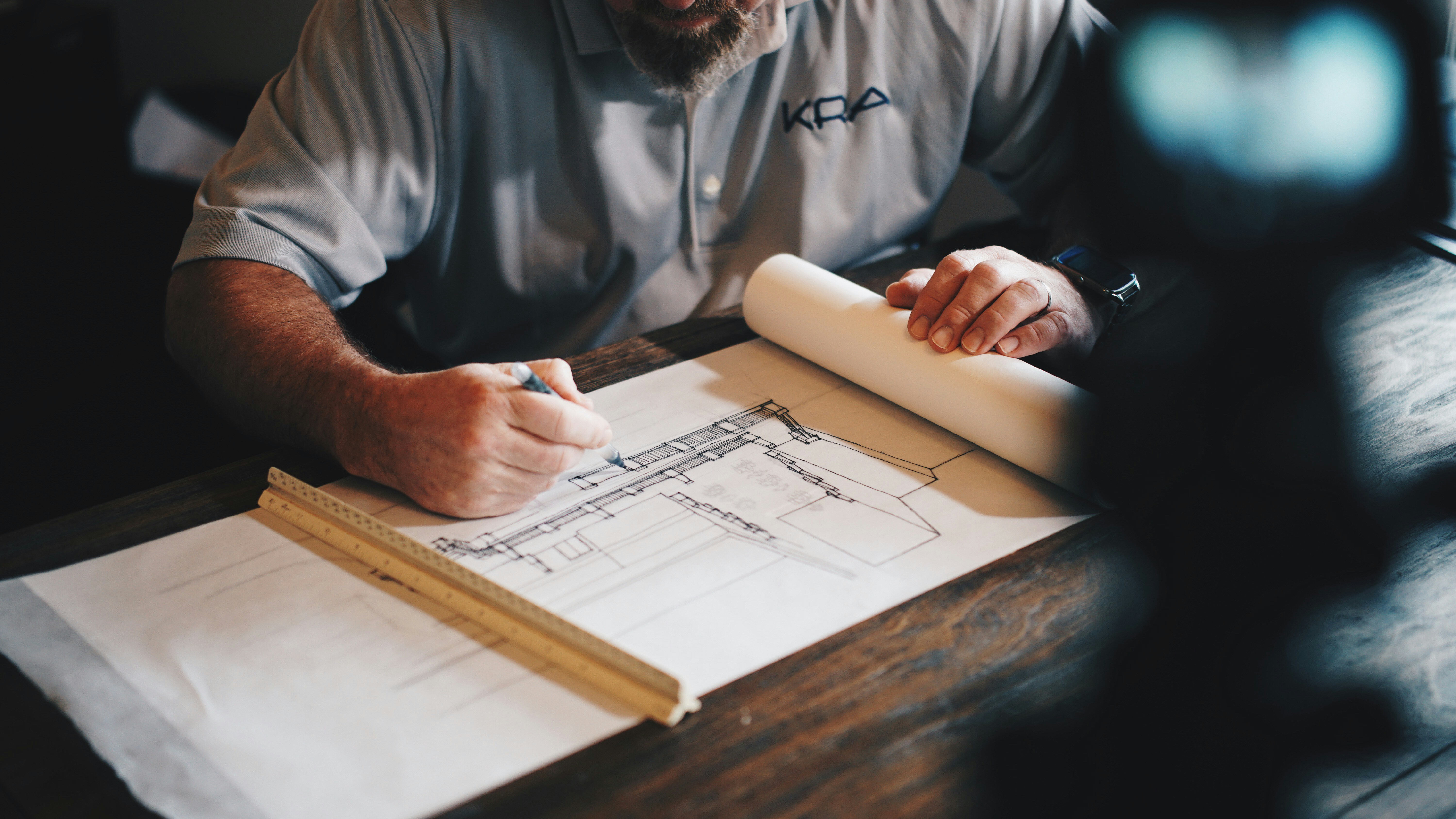
The next step is CAD (Computer-Aided-Design) modelling, in which designers or engineers use programs like SolidWorks or AutoCAD to produce 2D or 3D drawings. Important parameters such as assembly clearances, bend radii and allowance, hole sizes, and tolerances like k-factor are defined at this point.
Design for Manufacturing (DFM), also known as good design practices, helps cut down on production problems, rework, and wasteful spending.
Once the design is finalized, fabrication begins.
The first physical action is typically cutting. Traditional shearing techniques like punching and blanking can be used to cut sheet metal, but CNC-controlled cutting techniques like laser, waterjet, and plasma cutting are crucial to modern sheet metal fabrication. Fibre laser cutting is favoured among these due to its accuracy, speed, and clean edge quality.
After cutting, parts move to bending and forming, where flat profiles are shaped into three-dimensional components. Usually, panel benders or hydraulic press brakes are used for this. To preserve dimensional accuracy during bending, variables like bend allowance, k-factor, material spring-back, and minimum bend radius need to be closely managed. A typical industry standard, for a right angle bend, is to maintain the inner bend radius equal to the sheet thickness. Despite how simple bending may seem to the untrained eye, it is a rather complex process that requires a highly skilled operator and manufacturer.
Multiple components are joined by welding when a part cannot be manufactured in a single piece. Although the welding techniques differ in their approach, they all serve the same purpose of joining metal pieces together by melting the edges of the parts and adding filler material. This process creates a metallurgical bond between the pieces, fusing them together strongly. Common welding methods in sheet metal fabrication include MIG welding, TIG welding, spot welding, and laser welding, depending on material thickness and strength requirements.
The goal of post-processing is to enhance both appearance and functionality.
This stage may include deburring, grinding, or polishing to remove sharp edges and surface imperfections. Surface finishing techniques like electroplating, brushing, painting, and powder coating are used to increase durability, corrosion resistance, and aesthetic appeal.
Finishing is frequently just as crucial as fabrication, particularly for components that are visible or outdoor.
The final stage is assembly, where fabricated parts are combined into sub-assemblies or finished products. This may involve welding, fastening, or integration with non-metal components.
Assembling something can be a difficult process that demands a lot of knowledge and experience. Correct and secure assembly of all components is essential to prevent problems with the finished product.
Like any manufacturing process, sheet metal fabrication comes with both strengths and limitations. Understanding these trade-offs helps designers, engineers, and buyers make better technical and commercial decisions.
Sheet metal fabrication offers an excellent balance of precision, scalability, and structural performance. However, its efficiency depends heavily on good design practices, appropriate material selection, and collaboration with an experienced fabrication partner.
When the process is properly engineered and managed, its advantages significantly outweigh its limitations.
Used in body panels, chassis components, and exhaust systems.
Lightweight and high-strength fabricated components.
Enclosures, control panels, and switchboards.
Roofing, cladding, and facades.
Machine covers, guards, and frames.
Stainless steel components for hygiene.
Storage tanks, kitchen equipment.
Display units and vending machines.
Railways, buses, and infrastructure components.
Choosing the right fabrication partner is just as important as choosing the right material or design.
At Sharp Laser Component, sheet metal fabrication is approached as a complete process, delivering reliable, accurate, and production-ready components.
Whether it’s a single prototype or a repeat production order, working with an experienced fabrication partner makes all the difference.

Leave a Comment